
You’re Not Eating Too Much — You’re Eating The Wrong Things

Let me tell you something — most people think they’re eating too much volume. In most cases, that’s not it. You’re eating the wrong things. Plain and simple.
Think about it: you could crush two boxes of mac & cheese in one sitting (~900 calories each) and still do not feel full. But eat 600 calories of whole foods — green beans, potatoes, steak — and your body actually says, “Alright, I’m good here.” Crazy, right? That’s the effects of nutrient-dense food. When you eat smart, your body naturally eats less (2,5). It’s not a restriction game; it’s a fullness game.

Let's Start Small — One Swap at a Time
Here’s the secret: you don’t need to flip your whole diet overnight. One snack, one breakfast, one meal, one at a time.
Start small, swap your chips for fruit. Then when ready, swap your cereal for eggs or yogurt. Over time, these small swaps stack up. This is exactly what an Olympic-level coach (Sir Dave Brailsford) did with his athletes — improving little details in things like sleep, recovery, and nutrition by 1% each — and over time it blew up into massive results. Sir Dave Brailsford built a dynasty in British cycling by focusing on what he called the “aggregation of marginal gains”— making tiny 1% improvements everywhere, from sleep quality to bike seat height to how athletes washed their hands. Instead of chasing massive, dramatic overhauls, he stacked dozens of small, almost invisible upgrades that compounded into world-class performance. His whole philosophy boils down to this: get a little better at everything, every day, and the results become impossible to ignore. Imagine that — just tiny changes compounding into life-changing wins.
Research Has Your Back
This isn’t just talk, the science is backing this up.
1. Processed foods sabotage your fullness
A 2016 study looking at 98 ready-to-eat foods showed that the more processed a food is, the less it fills you up and the more it spikes your blood sugar (1). You know what happens next — cravings, snacking, overeating. Processed food tricks your brain and body. Don’t fall for it.

2. Whole grains and minimally processed foods actually work for you
Swap refined grains for whole grains and your hunger drops. Multiple trials and meta-analyses prove it: whole grains boost satiety and reduce hunger (2). You feel satisfied, your energy stays stable, and your body actually starts regulating itself. That’s called working with your body, not against it.
3. Texture and food structure matter
You ever notice how easy it is to demolish a soft, mushy snack? That’s why food structure is huge. Hard, chewy, minimally processed foods make your brain and gut say “I’m full” (3,4). Soft, ultra-processed foods? They sneak past your fullness signals. Eat slow, chew, savor — it works.
4. Whole foods make your body burn more calories
Here’s a crazy fact: two meals with the same calories and macros — one whole, one processed — and the whole food meal burns nearly double the calories just to digest (5). That’s right. Your body literally works harder and smarter for the good stuff. Don't forget the whole foods have a much larger nutritional benefit as well, whereas processed foods can have significantly less to even zero nutritional content.
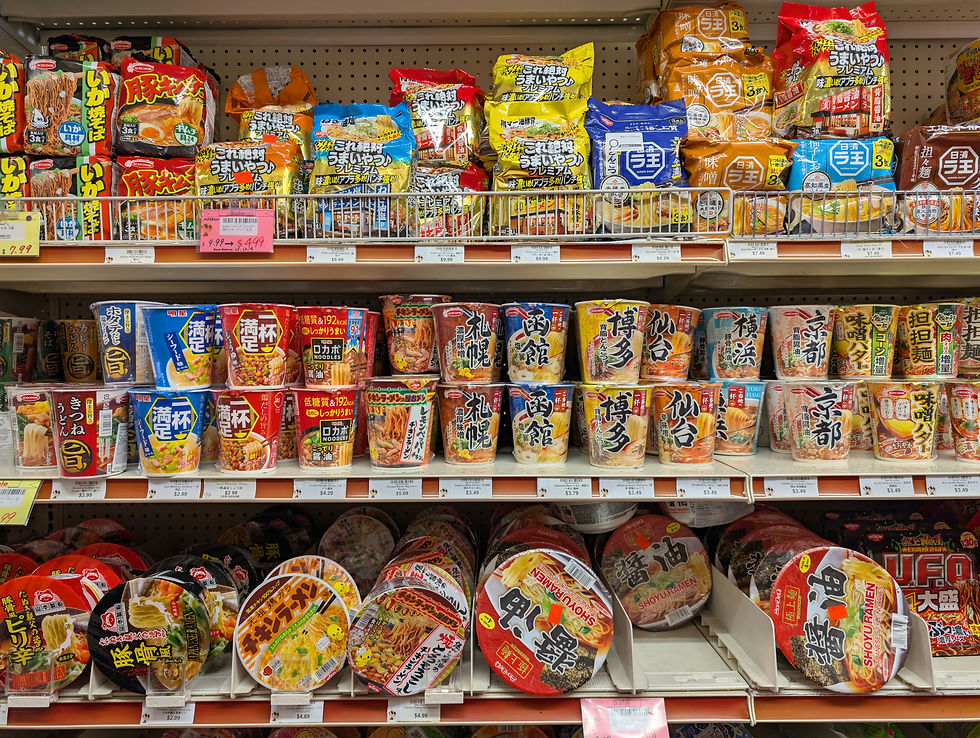
Real-World Proof — Ultra-Processed Diets Kill Control
Check this out: NIH fed people two-week diets of either ultra-processed or minimally processed meals. Both matched for calories, sugar, and macros. What happened? On ultra-processed, people ate ~500 extra calories per day and gained weight. On minimally processed? They lost it (6). That’s not theory — that’s real-life evidence.
And snacks? Nuts, fruit, yogurt — real whole-food snacks — keep you satisfied and prevent bingeing (7). Now that's evidence we just cannot ignore.
How to Crush It — The “1% Better” Approach
Here’s the actionable part: small wins. That’s how you make this stick.
Start with snacks: ditch chips and candy; grab fruit, nuts, or yogurt (7).
Upgrade grains: oatmeal, rice, sweet potatoes — fiber and structure = full belly (2).
Chew more, eat slower: solid, minimally processed foods slow you down and help fullness signals do their job (3,4).
Cook more whole foods: you get the TEF bonus — your body burns more calories digesting (5).
One swap today, one tomorrow, one next week. Over months, this snowballs. You’re not dieting, you’re leveling up.

Think Like an Athlete — Marginal Gains for Your Life
Remember that Olympic coach, Sir Dave Brailsford? Improving 1% in sleep, recovery, nutrition, mindset? That same philosophy applies to you. Small, consistent wins add up. Your body reacts to food like a finely tuned machine — and the more whole, minimally processed fuel you give it, the better it runs.
Why This Matters
Pause the idea of “calories in, calories out” obsession. Food quality changes everything — satiety, metabolism, cravings, energy. You don’t need extreme diets. You need awareness, patience, and tiny, deliberate shifts. Once you're eating the right things and make it a lifestyle, taking on more strict and intense diet protocols can feel much more approachable now that you're locked in.
Your Call to Action
Start today. Swap one snack. Make one breakfast change. Chew more. Cook a meal from scratch. Build momentum. Your body will thank you, your energy will skyrocket, and your health will level up — all without feeling deprived.
You’re not eating too much. You’re eating the wrong stuff. Fix that — one swap, one day, one 1% at a time — and watch your life change.
Bibliography
(1) Forde CG, et al. Food texture influences energy intake: A meta-analysis and systematic review. Physiology & Behavior. 2016.
(2) Pol K, et al. Whole grain consumption and markers of satiety in randomized controlled trials: a meta-analysis.Appetite. 2013.
(3) McCrickerd K & Forde CG. The role of food texture in satiety and energy intake. Current Obesity Reports. 2016.
(4) Forde CG, et al. Ultra-processed meals lead to higher energy intake due to lower eating effort and faster eating rate.American Journal of Clinical Nutrition. 2022.
(5) Barr SB & Wright JC. Postprandial energy expenditure following a meal consisting of 'whole' vs. 'processed' foods.Food & Nutrition Research. 2010.
(6) Hall KD, et al. Ultra-Processed Diets Cause Excess Calorie Intake and Weight Gain: An Inpatient Randomized Controlled Trial. Cell Metabolism. 2019.
(7) Tan SY & Mattes RD. Appetite and satiety effects of consuming snacks: a review. Advances in Nutrition. 2013.


I had a similar thought process this morning with breakfast